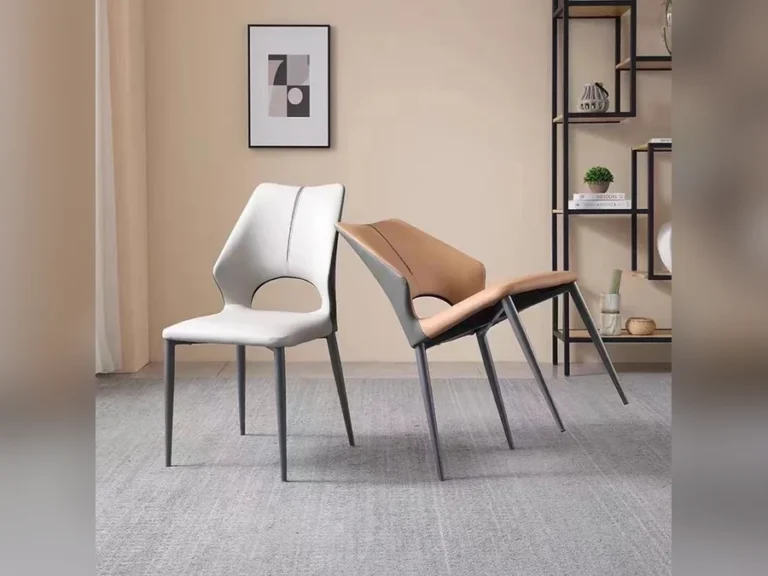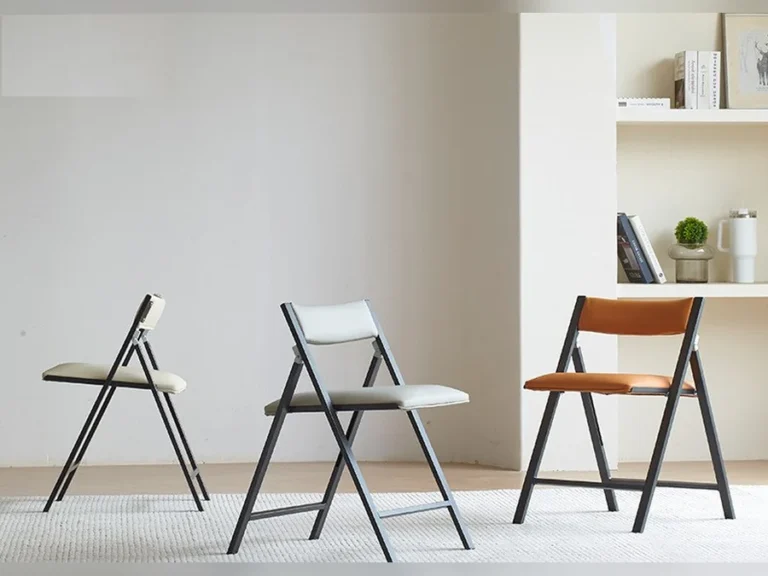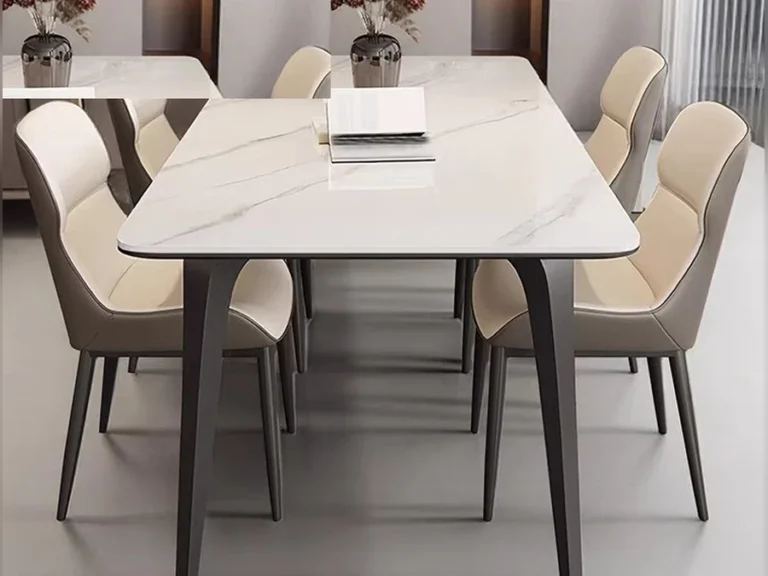
The stain was never the real problem. The real problem is the cleaner somebody reached for in a hurry three weeks ago, which has now left a pale patch on every seat in the room — and a replacement quote nobody budgeted for.
Cleaning a commercial chair is a decision about chemistry, not effort. Get the chemistry wrong and the harder you scrub, the more expensive the outcome.
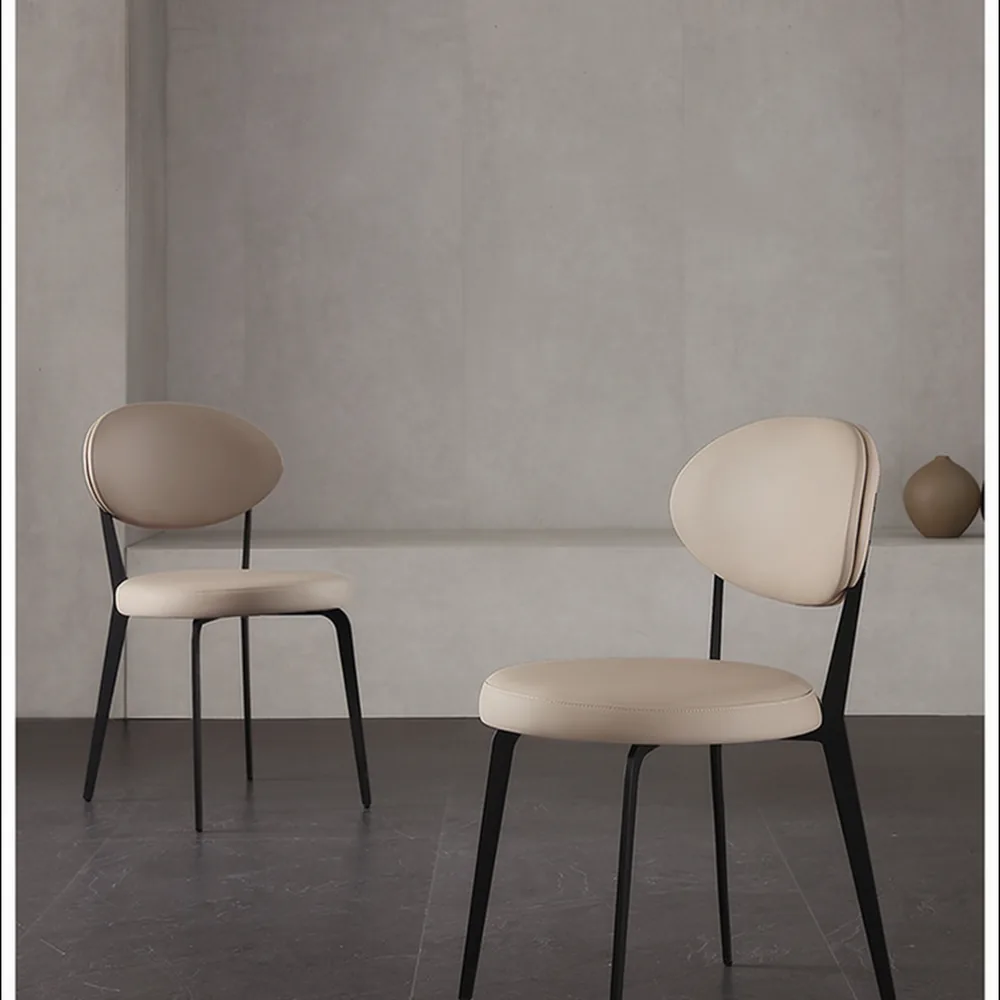
Know your upholstery type before you buy the cleaner
Vinyl, polyurethane and woven fabric are not variations on a theme. They fail against different things.
| Surface | Safe by default | Damages it |
|---|---|---|
| Vinyl (PVC) | Mild soap, water, most neutral cleaners | Solvent-based cleaners and alcohol — they pull the plasticiser out and leave it stiff |
| Polyurethane | Mild soap, water, upholstery foam | Abrasive pads, acetone, bleach |
| Woven fabric (polyester blend) | Water-based cleaner, foam, low-moisture extraction | Bleach on coloured yarn, strong solvents, soaking |
Two pieces of information should arrive with the chair, and usually do not: the cleaning code and the abrasion rating. The cleaning code tells you what the surface will tolerate — water-based, solvent-based, either, or dry-clean only. The abrasion rating tells you how much rubbing the surface will take before the yarn shows through. Without either number, you are guessing, and guessing is how a cleaning team writes off a room of seats.
Stain-by-stain treatment
Most damage is done in the first sixty seconds, and almost all of it is done by rubbing instead of blotting.
- Food grease and oil — lift the solids, blot with a dry cloth, then a small amount of neutral detergent on a damp cloth. Work from the edge of the stain inward so you do not spread the ring.
- Red wine and coffee — blot immediately, then a diluted water-based cleaner. Do not add heat; heat sets the pigment into the fibre.
- Ink — alcohol on a cotton bud, touched rather than wiped, and tested underneath the seat first.
- Chewing gum — cold, not hot. Harden it with ice, then lift. Solvent or scraping takes the finish with it.
- Unknown stains — treat as water-based first. If the colour lifts onto the cloth, stop and call it a solvent problem.
One rule covers all five: blot, do not rub. Rubbing drives the substance into the backing, where no cleaner reaches it, and it also fuzzes the surface so the patch stays visible long after the stain has gone.
Which cleaning products are safe, and which quietly damage fabric
The products that cause the most damage are the ones that work fastest. Bleach brightens a white vinyl seat and destroys the colour on a woven one. A solvent cleaner cuts grease beautifully and hardens vinyl until it cracks along the fold lines.
Two habits prevent most of it:
- Spot-test underneath the seat, on an area nobody sees, and wait ten minutes before deciding. Two minutes of testing beats a reupholstery order.
- Write the approved product on the cleaning rota, by name. If the team has to choose, someone will choose the strongest bottle in the cupboard.
How often to deep clean, and how to build it into a rota
Frequency should follow the venue, not the calendar.
| Venue type | Daily | Weekly | Quarterly |
|---|---|---|---|
| Café, low turnover | Wipe seats, spot stains | Vacuum seams and crevices | Full clean of all seats |
| Restaurant, 2–3 turns | Wipe after each service | Detail clean of the busiest rows | Full clean, inspect seams |
| Bar or lounge | Wipe spills immediately | Detail clean, check stitching | Deep clean plus condition vinyl |
| Banquet and events | Wipe after every event | Full clean between events | Deep clean, rotation check |
The part that actually fails is the handover. A rota that lives in a manager’s head stops existing the week the manager is on leave. Put three things in the cleaning contract: the approved product list, the frequency per zone, and a named person who signs off the quarterly clean.
Choosing chairs that are easier to keep clean
The cheapest cleaning decision happens before the order is placed.
- Removable covers get cleaned instead of being scheduled for replacement.
- Sealed seams stop liquid reaching the foam, which is where smells live.
- Fewer crevices — a tight seat-to-frame joint takes ten seconds to wipe, a deep channel takes a brush.
- Darker, mid-tone fabrics hide the marks that appear between deep cleans.
Ask four questions of any supplier before committing to a fabric: what the cleaning code is, what the abrasion rating is measured by, whether the cover can be removed and refitted, and whether the same fabric will still be available in eighteen months. The last one is the question most buyers forget, and the one that decides whether year two matches year one.
If the cleaning routine is being designed alongside a new order, compare the upholstered dining chairs range first, then read our guide on how to choose dining chairs for the decisions that come before fabric. Where a project needs a specific cover, seam or colour match, our commercial upholstery options page sets out what can be specified. To check what a fabric will actually take, ask about fabric specs and we will send the cleaning code and abrasion data with the sample.
When a supplier quotes fabric durability, the number normally comes from Martindale abrasion testing — the higher the figure, the longer the cover survives repeated cleaning.
Models from this range
If you are shortlisting for a project, these two pages show how the choices above look in production:
- microfibre leather upholstery — Light Luxury Microfiber Leather Dining Chair in Italian Style
- cotton linen dining chairs — Light Luxury Cotton-Linen Dining Chair with Metal Frame