Care and Maintenance for Commercial Dining Furniture
Commercial seating and tables are cleaned far more often than domestic furniture, and with stronger products. This guide sets out what to use on each material we supply, what to avoid, and when to ask us for a replacement part instead of cleaning harder.
- Metal & aluminium
- Solid wood & veneer
- Leather, faux leather & fabric
- Sintered stone & compact tops
Who this guide is for, and why it matters
Most of the damage we see is not manufacturing failure — it is the wrong cleaner, the wrong cloth, or a fixable part left too long.
Who should read it
- Venue operators — housekeeping and front-of-house teams who clean the furniture daily.
- Facility and procurement managers — anyone setting a cleaning spec for a site.
- FF&E buyers and specifiers — checking that a material suits the cleaning regime on site before ordering.
- Distributors — passing maintenance guidance to your own customers.
Why commercial furniture needs its own routine
- Cleaning frequency — a restaurant chair may be wiped several times a day, not once a week.
- Chemical strength — kitchen and bar sanitising products are harsher than household cleaners.
- Load and movement — chairs are dragged, stacked and leaned on; joints and glides wear before the frame does.
- Batch consistency — one damaged unit in a set is visible, which is why spare parts matter.
How to clean each material we supply
Match the method to the material, not to the stain. When a material is not listed here, or a finish was customised for your order, ask us before using a new product on it.
Powder-coated metal and aluminium frames
- Routine — wipe with a soft damp cloth and a pH-neutral detergent, then dry with a clean cloth. Drying matters: standing water is what leaves marks and eventually lifts the coating edge.
- Deep clean — for grease build-up in bar and kitchen areas, use a diluted degreaser, rinse with clean water and dry immediately.
- Avoid — abrasive pads, scouring powder, bleach-based sanitisers left to sit, and solvent or acetone-based products.
- Check — glides and feet take the wear; replace them before the frame starts to rub on the floor.
Solid wood and veneered surfaces
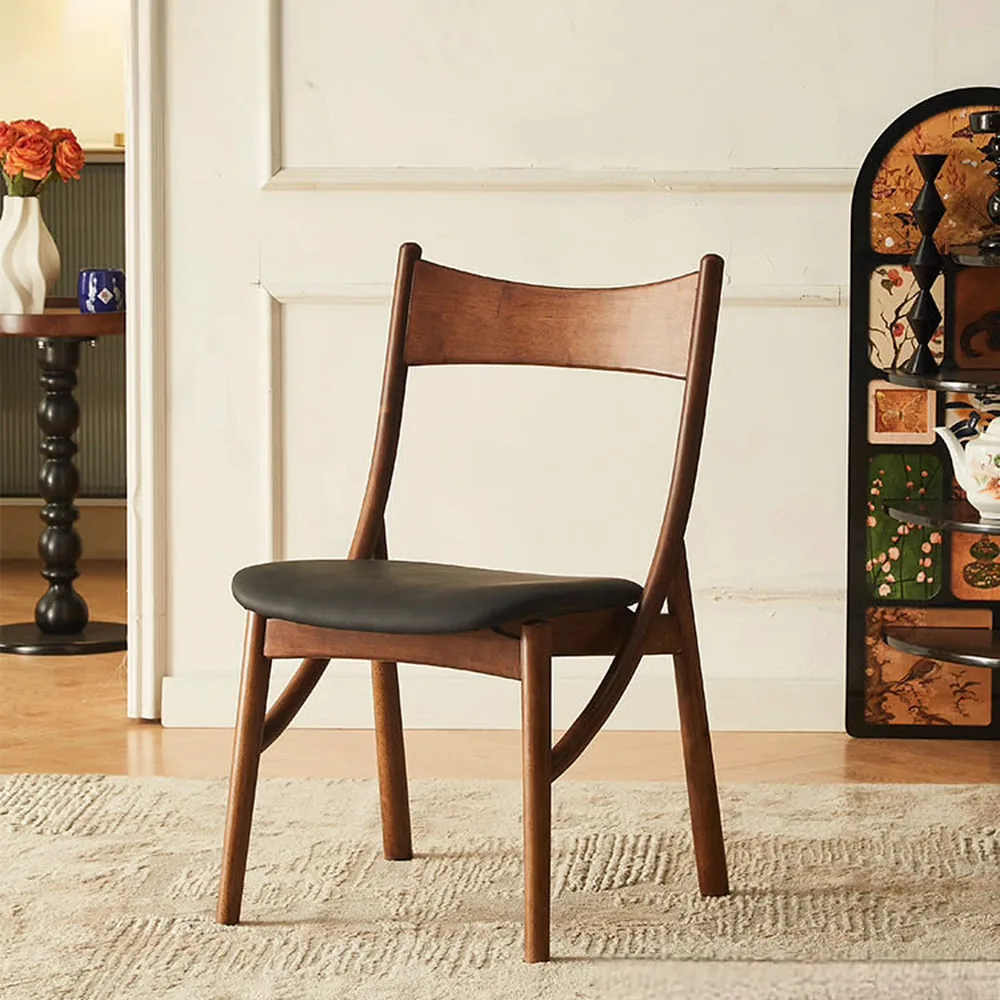
- Routine — wipe with a damp cloth and dry straight away; use a mild soap solution for grease, never a soaking cloth.
- Deep clean — a wood-appropriate cleaner applied sparingly, then buffed dry. Re-oiled or waxed finishes can be refreshed with the product that was used originally — ask us which one was specified on your order.
- Avoid — leaving spills, ice buckets or hot plates on the surface; prolonged water contact is what causes rings and raised grain.
- Check — tighten visible fixings periodically; a loose joint concentrates stress on the wood around it.
Leather, faux leather and fabric upholstery

- Routine — vacuum or brush crumbs out of seams first, then wipe with a damp cloth and a mild upholstery cleaner. Cleaning the seam after the surface is what stops grit cutting the thread.
- Deep clean — use a foam cleaner for fabric, and a leather cleaner followed by a conditioner for leather; test on a hidden area first and let it dry fully before use.
- Avoid — soaking the foam, scrubbing with a stiff brush, bleach, and drying in direct sun or with a hot air blower.
- Check — cushion covers, seat pads and panels can be replaced; a worn seat panel does not require a new chair.
Sintered stone, compact laminate and glass tops
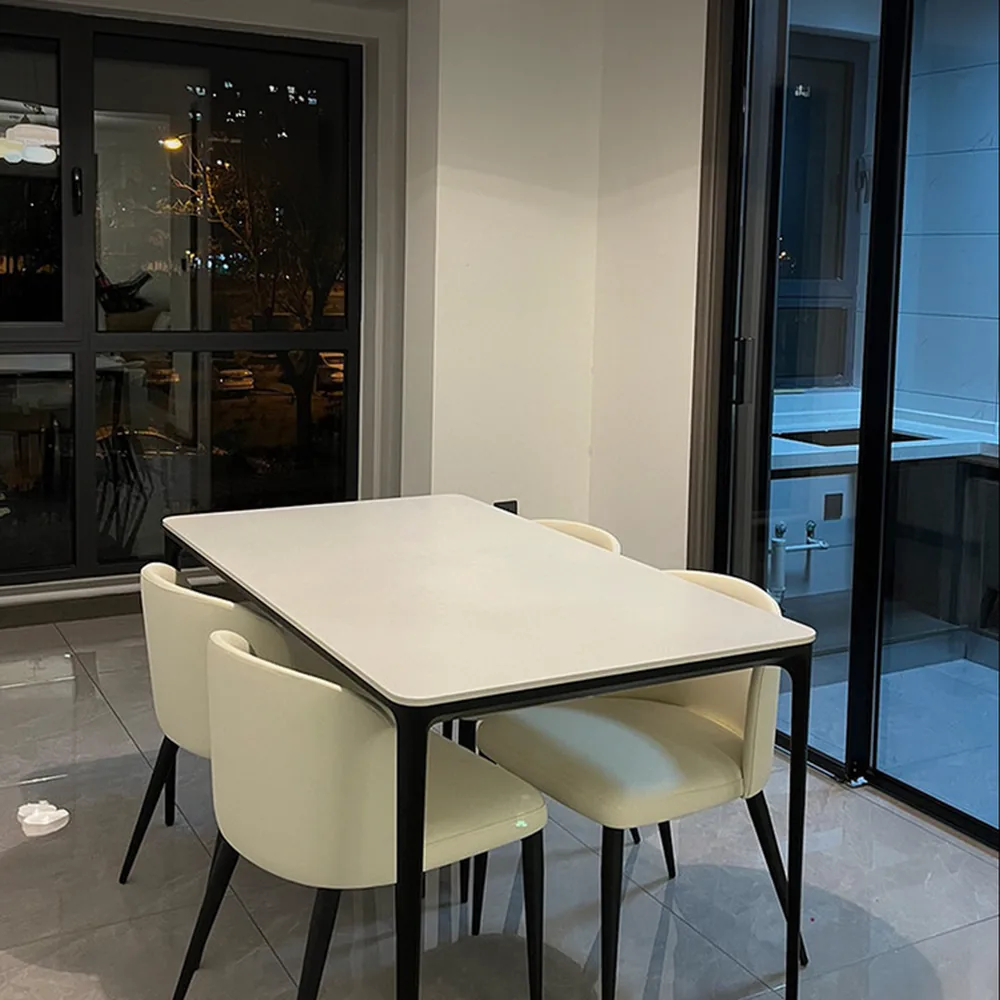
- Routine — warm water with a pH-neutral detergent, then a dry cloth. A squeegee or microfibre cloth leaves fewer streaks than paper towel.
- Deep clean — a non-abrasive cream cleaner for marks; rinse and dry so no residue film is left behind.
- Avoid — scouring powders, ceramic hob cleaners, and dragging crockery or metal trays across the surface.
- Check — edges and corners take impacts; if a top is chipped, tell us the model and size rather than continuing to use it.
Woven, rattan and cane surfaces

- Routine — dust with a soft brush or vacuum on low suction; wipe with a barely damp cloth and dry in the shade.
- Deep clean — a mild soap solution worked along the weave, rinsed with a damp cloth and dried fully before the piece goes back into service.
- Avoid — hosing down, soaking, steam cleaners close to the weave, and drying in direct sun, which dries the material unevenly.
- Check — outdoor and terrace pieces should be brought under cover or covered when not in use for long periods.
A cleaning schedule that keeps a set consistent
The point of a schedule is that every unit in a set is treated the same way, so wear stays even and no single chair ages faster than the rest.
| After every service | Wipe table tops and chair seats with a damp cloth and dry; clear crumbs from seams and floor glides; report any wobble or tear rather than working around it. |
|---|---|
| Weekly | Vacuum or brush upholstery seams; wipe frames including the parts under the seat; check glides and feet for wear. |
| Monthly | Deep clean per material; check fixings and tighten where needed; rotate chairs between high- and low-traffic positions so wear is even. |
| Quarterly | Review the set for units that need a spare part or replacement; confirm the cleaning products on site are still the ones specified; restock glides and feet. |
Six habits that shorten furniture life
Leaving cleaner to dry
Residue attracts dirt and, on coated metal, can leave a permanent film. Always wipe dry.
Bleach on everything
Sanitisers are for surfaces that need sanitising, not for routine cleaning of coated or upholstered furniture.
Abrasive pads
Scouring pads remove the finish along with the mark, and the repair costs more than the mark did.
Soaking upholstery
Water into the foam does not dry evenly and can leave odour and hardened filling. Use foam, not a soaked cloth.
Dragging instead of lifting
Most frame and joint damage starts with a chair dragged across a floor with a broken glide.
Ignoring the first wobble
A loose fixing is a five-minute job; left alone it becomes a cracked rail or a bent frame.
When to ask us instead of cleaning harder
Replacement parts are the reason a set survives its first busy year. Send us the model and the part, and we will confirm what is available.
Parts we can normally supply
- Feet, glides and floor protectors.
- Fixings, brackets and hardware.
- Seat pads and upholstery panels.
- Replacement frames where a unit cannot be repaired.
What to send us
- The model number or the product page link.
- Which part is affected, with a photograph.
- Quantity and destination, so we can quote the freight with the part.
- For damage in transit, the packing list reference and photographs of the opened carton.
Warranty and after-sales terms are confirmed in the order acknowledgement for each order. This guide describes maintenance only; it does not replace the terms agreed on your order.
Need a care spec for a site?
Tell us the materials and the cleaning regime on site, and we will confirm what suits them — before the order, not after the first damaged set.