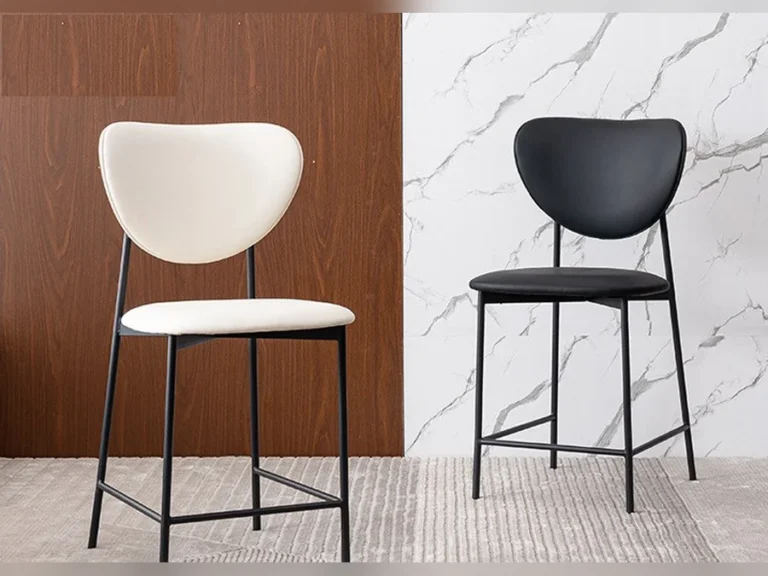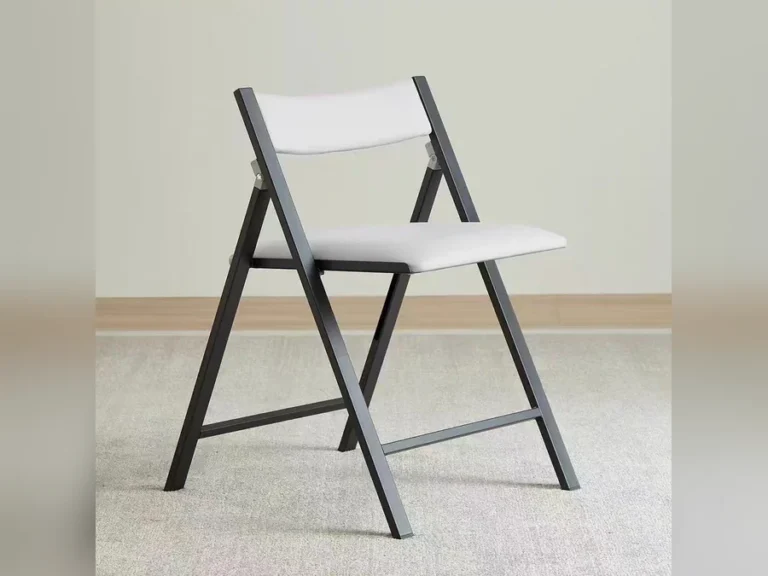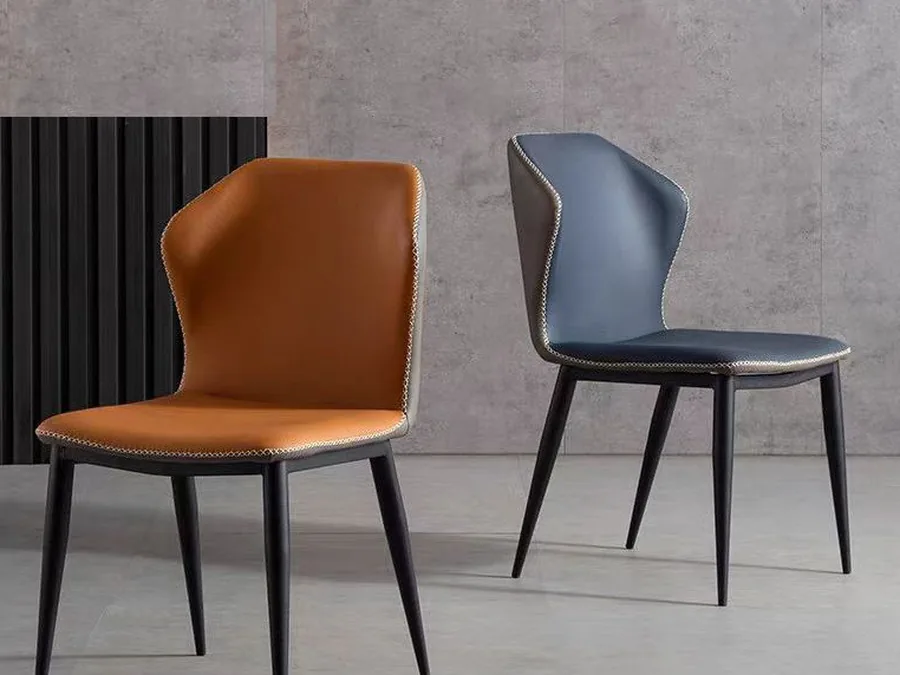
Most restaurant chairs fail for the same boring reason. Nobody asked how often they would be stacked, wiped and dragged. The chair that looked best in the showroom is rarely the one still standing in year three — and the gap between those two outcomes comes down to about seven decisions.
This is the order we look at them in, ranked by what they cost when they go wrong.
1. Starting from the catalogue instead of the room
The room makes the decision for you. Three measurements settle most of it:
- Table height fixes the seat height band. Standard dining tables sit around 75 cm (29–30 in), which pairs with a seat around 45 cm (17–18 in).
- Aisle width decides whether a chair with arms can be used at all. Arms need roughly 5–8 cm more clearance on each side to slide in and out.
- Floor traffic decides how much the frame will flex every day — and flex is what eventually cracks a weld.
Buy the room first, then the chair. Buyers who reverse that order end up returning stock, and returning stock to an overseas supplier is expensive.
2. Choosing a frame material from a photo
Metal and solid wood fail differently, so they need different handling. A metal frame tolerates drag and stack abuse; a wooden frame ages better but resents being thrown into a pile. What matters more than the material name is the part you cannot see in the photo:
- Wall thickness on a metal tube, not the finish on top of it
- Joint construction on a wooden frame — a glued dowel and a through-bolt are not the same chair
- The load rating, asked for as a number and a test method rather than a marketing line
Most suppliers will share the first two if you ask. Fewer will share the third, which is usually the honest signal.
3. Ignoring the seat-to-table gap
Comfort is arithmetic. The seat-to-tabletop gap is what guests actually feel, and it is the number nobody writes down. Get it wrong and every guest notices, even if none of them can explain why.
Two more dimensions sit behind it. Seat depth decides whether guests perch or settle. Back angle decides whether they stay for dessert or leave after the main. Both show up in your covers per evening, quietly, every night.
4. Buying upholstery on the swatch
The swatch tells you the colour. It tells you nothing about what happens after four hundred covers.
| If your venue… | Vinyl holds up when… | Woven fabric wins when… |
|---|---|---|
| Serves high-turnover meals | Spills and nightly wipe-downs are routine | Seats are wiped less and sat on longer |
| Runs a bar or lounge | Guests drift between tables with drinks | The look carries the room’s atmosphere |
| Has a fixed floor plan | Chairs are cleaned in place | Covers can be removed and cleaned off-site |
Whichever way you go, ask for the abrasion rating and the cleaning instructions before ordering — not after the first stain. Where the two compete, a removable cover usually beats a prettier fabric, because it gets cleaned instead of being scheduled for replacement.
5. Treating finish as a colour choice
Finish decides how the room looks in year three, which is a longer commitment than it sounds. On metal frames, powder coating and plating behave very differently at the edges, where chairs get knocked against tables a few hundred times a season. Powder coating can be colour-matched across repeat orders; plating cannot.
If your scheme depends on an exact colour, decide it early. Changing a finish mid-project is possible. Making the second batch match the first one is the harder part.
6. Forgetting how the chair gets stored
Storage is where most chair damage happens. Stacks lean, frames flex, and the bottom chair carries a load it was never designed to hold overnight.
Three things to pin down before ordering:
- Safe stack height — lower than the published maximum, because the bottom chair pays for the marketing
- How the stack moves — trolley load, wheel type, and the doorway it has to pass through
- Where it lives off-season — condensation in an unheated store room is the usual culprit behind rust complaints
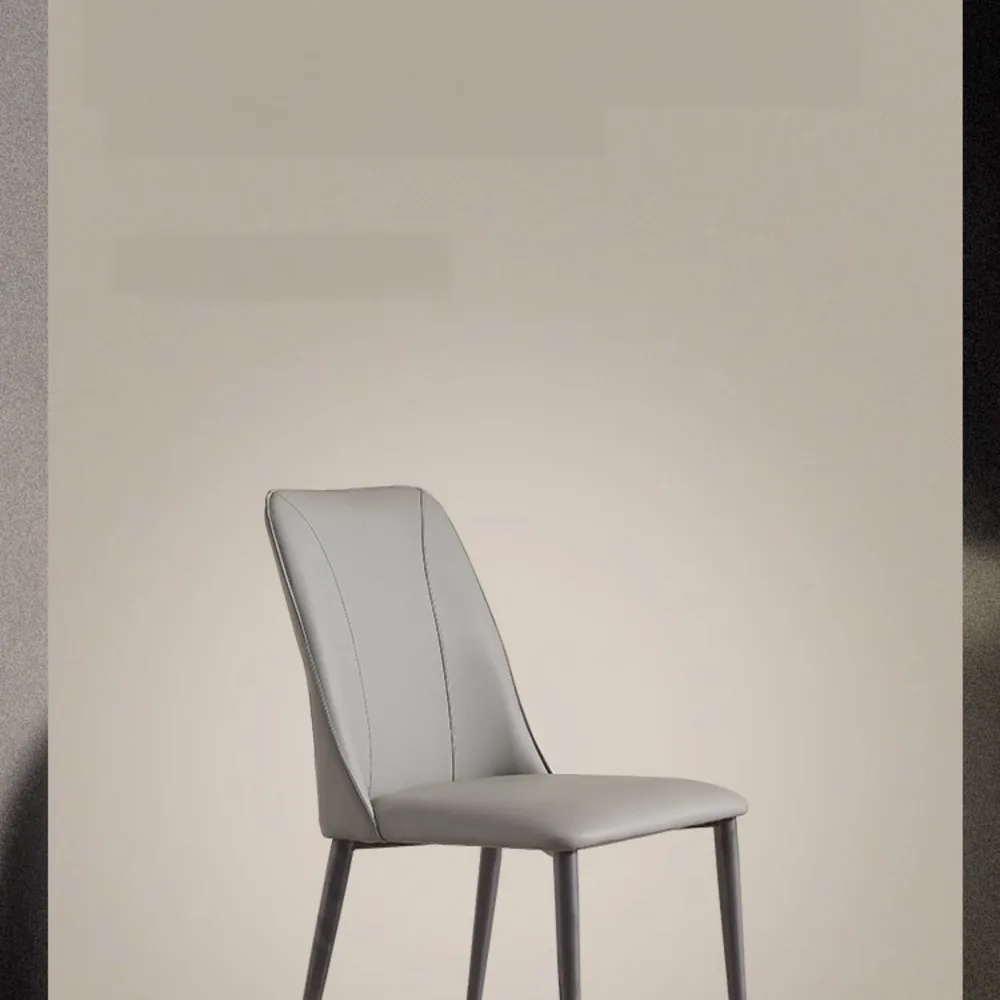
7. Pricing per chair instead of per seat-year
A chair price is not a cost. The number that decides your budget is price divided by years of service, and the two are rarely proportional.
That is why a cheaper chair can cost more than a dearer one, and why the second order is where the real comparison happens.
A checklist you can hand to your designer
Consolidate the room into one brief before you talk to a supplier:
- Room dimensions, including aisle widths and door clearances
- Table height and the seat height you want to pair with it
- Expected load and how many hours a day the chair is in use
- Frame material, wall thickness or joint construction, and load rating
- Upholstery type, abrasion rating and cleaning method
- Finish and whether it must be colour-matched on repeat orders
- Safe stack height, storage space and how the stack is moved
- Order quantity, spare ratio, and the year-two replacement plan
If the brief covers those eight lines, most of the mistakes above disappear before the order is placed. You can browse our dining chairs range to see how these options translate into models, or read the companion guide on how to size a dining table if the room dimensions are still open. When the brief is ready, send it to us and we will come back with models, packing details and lead times.
Models from this range
If you are shortlisting for a project, these two pages show how the choices above look in production:
- metal dining chairs for hotel projects — Italian Style Metal and Leather Dining Chair for Hotels
- light luxury dining chair range — Light Luxury Metal Dining Chair with Backrest for Living Room