Hotel bar stools fail in a specific order. First the footrest finish, then the seat edge, then the place where the leg meets the seat. Almost none of it happens in year one, which is why the decision is usually made on appearance and audited on maintenance.
Ordering for a hotel bar is a decision about dwell time and cleaning chemistry, in that order.
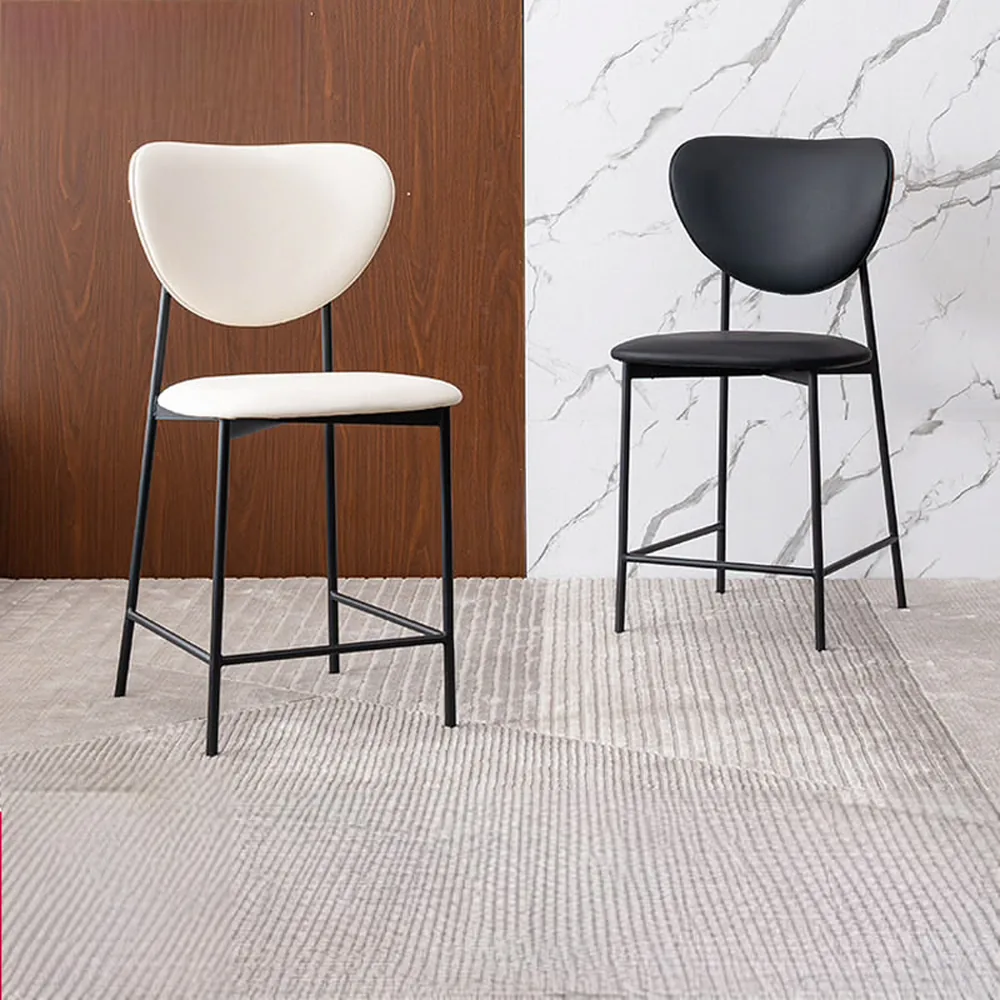
Start from the bar type and how guests use it
Three bar types, three different stool requirements:
- Front bar — guests sit for one or two drinks, often in groups. Low backs, easy cleaning, high turnover. The stool is furniture, not a chair.
- Back bar / lounge — guests stay longer, often alone or in pairs. Comfort matters more: a back, a footrest, a seat that can be sat in for an hour.
- Mobile or event bar — moved weekly, stacked, stored. Weight and stack height matter more than comfort.
Dwell time is the variable that decides everything else. A twenty-minute guest needs a cleanable seat and a stable frame. A ninety-minute guest needs a footrest at the right height and a back that supports, and will notice a seat that is 2 cm too deep.
Height pairing with your bar top
The gap rule is the same as anywhere else: 25–30 cm between the seat top and the underside of the bar top. Hotels get it wrong in one specific way — the footrail.
A fixed brass footrail is standard in hotel bars, and it changes the usable legroom. A stool that fits a 110 cm bar top without a rail may not fit with one, because the rail sits where the guest’s feet need to go. Measure from the rail, not from the floor, and check whether the stool’s own footrest clears it.
Two more hotel-specific details:
- Bar top thickness — a 40 mm stone top and a 20 mm timber top change the gap by 20 mm, which is enough to make one stool comfortable and another one not.
- The service side — staff side clearance is a separate measurement and usually a separate stool. Do not assume one height serves both sides.
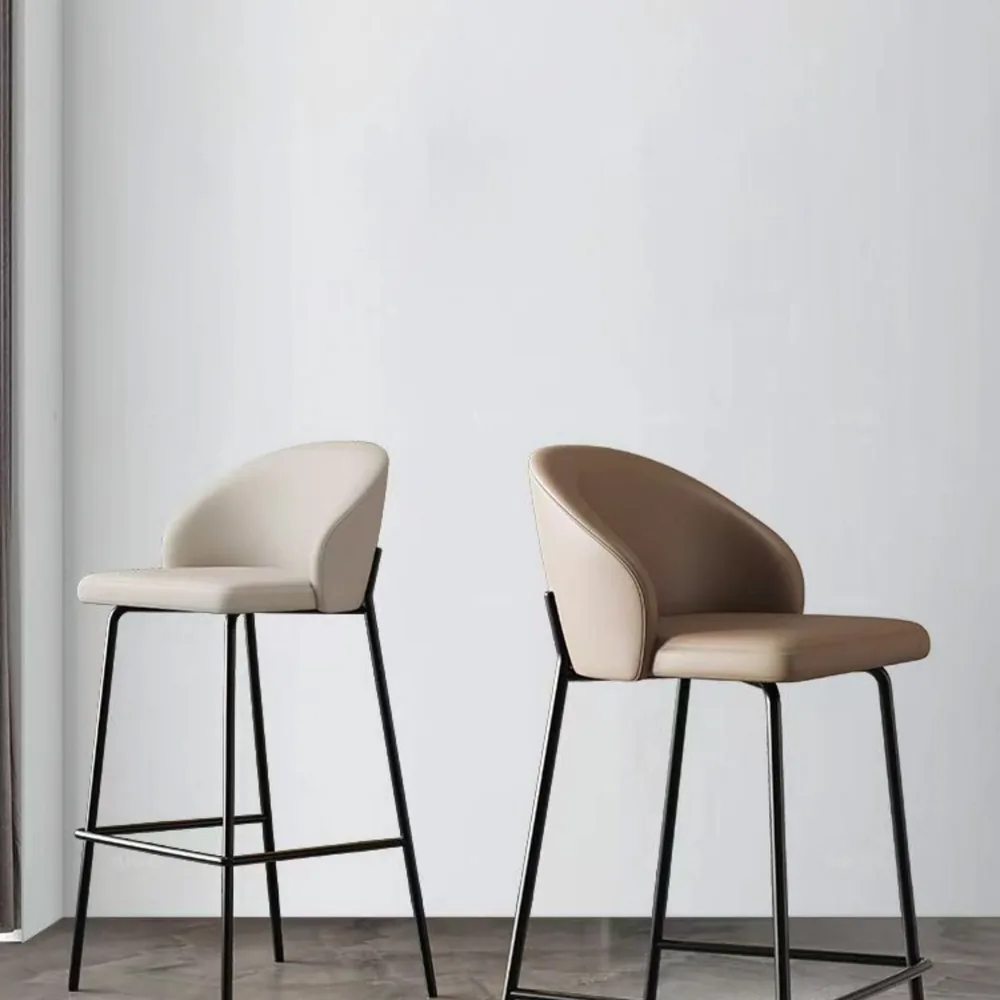
Upholstery and finish for a hotel environment
Hotel bars combine three things that destroy upholstery faster than restaurant service: spirits, citrus, and a nightly wipe-down with whatever the bar team has to hand.
| Surface | Survives well | Fails at |
|---|---|---|
| Vinyl (contract grade) | Spirits, citrus, nightly wipe | Solvent cleaners and heat — cracks at the fold lines |
| Coated fabric | Spills if wiped promptly | Saturated spills that reach the backing |
| Woven fabric | Looks best in a lobby setting | Citrus and red wine; needs a real cleaning protocol |
| Leather / faux leather | Wear and patina | Spirits left standing; stitching absorbs |
For a lobby bar where the stool has to match the lobby in year three, the practical answer is contract vinyl in a mid-tone, with a finish that can be re-ordered. Colour matching across a phased refurbishment is the specification detail hotels forget: ask whether the same colour will still be produced in eighteen months, and get the reference in writing.
Wear points that show up in year two
Four places tell you within a year whether the stool was specified properly:
- Feet and glides — the cheapest part and the first to go. A stool with replaceable glides lasts; one with moulded feet does not.
- Seat front edge — where guests slide off. A stitched edge splits; a wrapped edge holds.
- The leg-to-seat fixing — hotel guests use the footrest to climb up. That load goes straight into the fixings.
- Footrest finish — brass and chrome wear through at the contact point. Powder coat wears more evenly, and can be re-coated.
Ask for the spare-parts list at the quotation stage. A stool that can be repaired with a glide and a cover is a stool with a second life; one that cannot is a replacement cycle waiting to be budgeted.
Ordering for a hotel: quantities and spares
Hotel orders are phased, and the second phase is where matching becomes a problem.
- Count by outlet, not by property: lobby bar, restaurant bar, pool bar, and the mobile bar each have different requirements.
- Hold spares at 5% of the stool count, plus a set of feet and glides at 10%.
- Record the finish and upholstery reference with the purchase order, so phase two can be specified against phase one rather than against a photograph.
If the bar is being planned together with the restaurant seating, our hotel project checklist covers the sign-off and phasing side, and the bar stool height guide settles the height pairing before anything is ordered. The bar stools range is grouped by seat height and by back type. To start a hotel enquiry, send the bar type, the outlet count and the bar top height and we will come back with models and spare-part lists.
Models from this range
If you are shortlisting for a project, these two pages show how the choices above look in production:
- saddle leather bar stools — Italian Saddle Leather Bar Stool for Kitchen Island
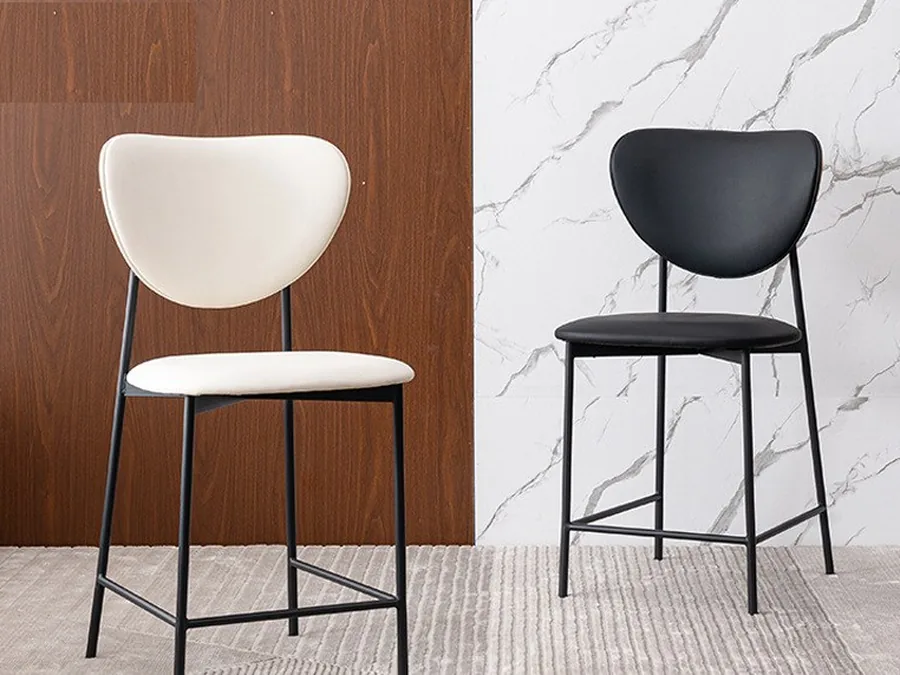
- metal bar stools with backrest — Light Luxury Metal Bar Stool with Backrest for Home Bar