A load rating is the most quoted and least understood number on a folding chair specification. Buyers compare 150 kg against 200 kg as if they describe the same test. They often do not.
The number only means something when it comes with a test method, a duration and a definition of failure. Without those three, it is a claim.
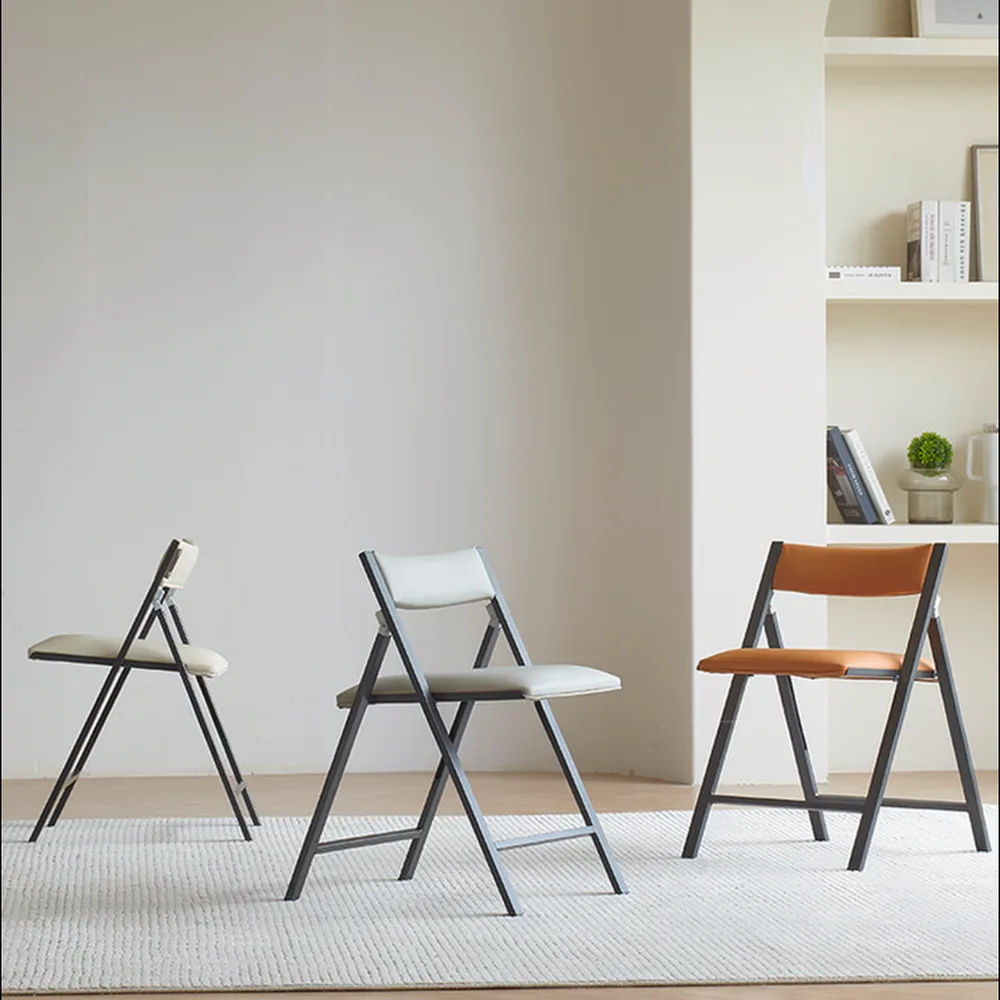
What a load rating really measures
Two chairs rated at the same figure can behave completely differently, because ratings come from different kinds of test.
- Static load — a fixed weight placed on the seat for a set period. It measures whether the frame holds, not whether it survives being used.
- Dynamic load — repeated cycles of load and release, or a dropping impact. It measures the hinge, the rivet and the seat fixing, which is where folding chairs actually fail.
- Fatigue testing — thousands of cycles at a lower load. It is the closest thing to real service, and the least commonly quoted.
A static rating of 200 kg tells you the chair will hold 200 kg while standing still. It does not tell you what happens after 8,000 folds, or when a guest drops into the seat rather than sitting down. Service failure is almost always dynamic, which is why the single figure hides the real failure mode.
Capacity by frame material
The three frame families carry load differently, and each has a characteristic weak point.
| Frame | How it carries load | Where failure starts | Practical note |
|---|---|---|---|
| Steel tube | High strength in a thin wall | Hinge and rivet, then weld at the seat bracket | Heavier; the best strength-to-cost ratio |
| Aluminium | Lower stiffness, larger tube needed | Hinge area and the seat pan, which can deform | Lighter to move and ship, less tolerant of abuse |
| Resin / moulded plastic | Even distribution, no welds | Fixing points and the seat-to-leg insert | Good for outdoor and wet use, harder to repair |
Wall thickness matters more than the material name. A steel chair with a 1.2 mm wall and a proper hinge will outperform a heavier-looking chair with a 0.8 mm wall and a stamped pivot, at the same rated load.
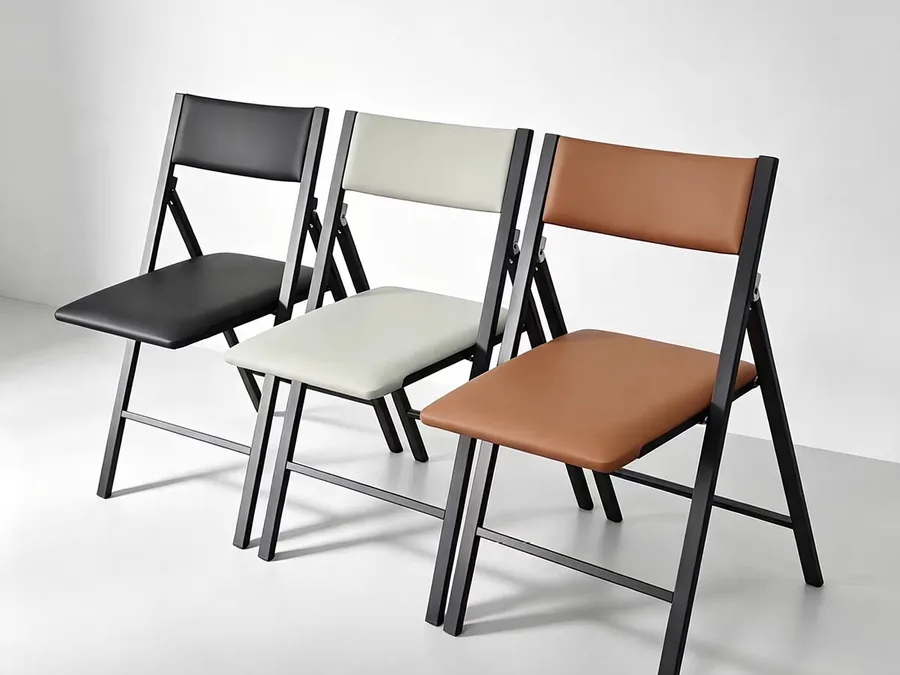
The checks to ask a supplier for
Three questions separate a tested chair from a claimed one:
- Which standard, and which test? EN 16139 (contract seating) and BIFMA X5.1 are the references most often quoted. Ask which clause, and whether the test was static, dynamic or fatigue.
- How is the hinge built? A through-rivet with a washer, a welded pivot, and a folded sheet-metal hinge are three different durability classes.
- What is the spare-parts position? If a rivet fails, can it be replaced, or does the chair go in the bin?
A supplier who can answer all three is not necessarily the cheapest. They are the one whose number means something.
Real-world loads versus rated loads
Rated load assumes a seated guest. Service adds several loads the rating does not describe.
- Stacking — a stack of twelve puts the bottom chair under a load it never sees with a person on it.
- Leaning back — transfers weight to the rear legs at an angle the test does not replicate.
- Repeated folding — the hinge cycles hundreds of times a season, and this is the most common cause of failure.
- Carrying — a chair lifted by the backrest puts the whole weight through two joints.
- Outdoor use — UV and moisture reduce the material properties the rating was based on.
The practical rule: derate the rated figure by about 30% for heavy commercial use, then check that the derated number still covers your heaviest realistic guest with margin.
Specifying for your use case
Match the capacity to the venue, not to the highest number available.
| Use case | What matters most | What to prioritise |
|---|---|---|
| Event and conference | Repeated folding, transport | Hinge construction, stack height, trolley compatibility |
| Banquet hall | Static load, long sitting | Seat strength, frame rigidity, spare parts |
| Outdoor / garden | Weather, UV, wet storage | Coating, drainage, resin or treated steel |
| Multi-purpose room | Storage volume, quick setup | Folded thickness, weight per chair |
A chair rated far above the venue’s actual need is usually a heavier chair with no benefit, and often a worse hinge. Capacity is a floor, not a target.
If the choice is between frame types rather than folding chairs specifically, our comparison of metal versus wood chairs covers the same trade-offs in fixed seating. The folding chairs range lists frame material and stack height per model, and banquet chairs covers the fixed alternative for halls that do not need to fold. To ask for test data on a specific model, tell us the venue type and the expected cycle count and we will send the test reference with the quotation.
Load ratings for contract furniture are usually quoted against a published test method — BIFMA is the body behind the North American ones, so ask which standard a number refers to before comparing chairs.
Models from this range
If you are shortlisting for a project, these two pages show how the choices above look in production:
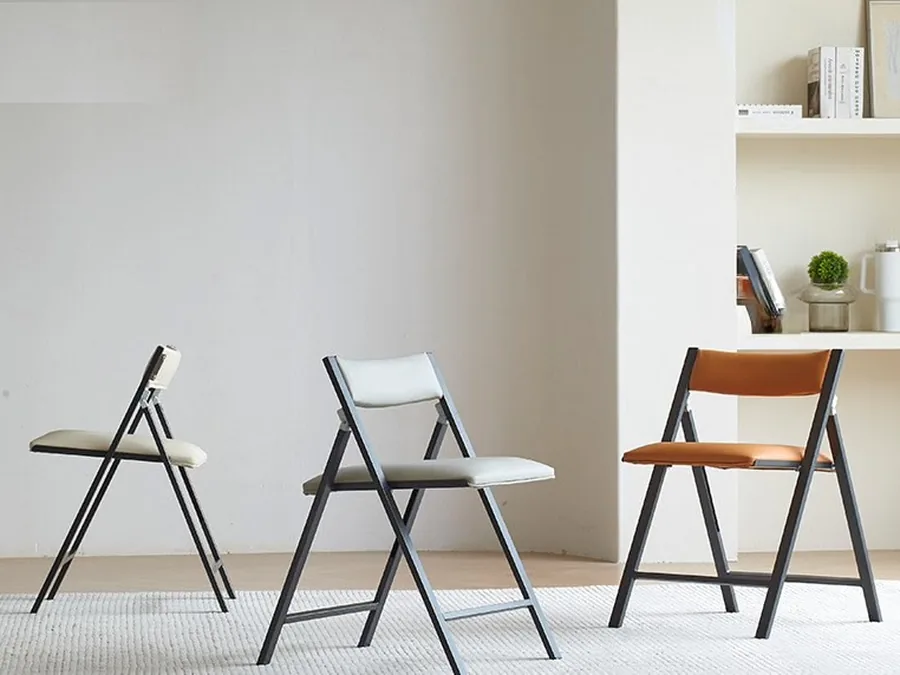
- folding chairs for training rooms — Portable Folding Chair for Dormitory and Training Room
- padded folding chairs for events — Portable Folding Leather Chair for Office and Events