Rental companies buy furniture the way everyone else does — by unit price — and then discover the real cost is the third of the fleet sitting in the warehouse in February.
ROI on a rental item is not a purchase decision. It is a utilisation calculation, and it starts with three numbers nobody puts in the buying spreadsheet.
How to measure ROI on a rental item
The formula is simple. The inputs are where buyers go wrong.
Cost per hire = landed cost ÷ (hires per year × years in service)
Four inputs:
- Landed cost — unit price plus freight, duty, and the packing you have to buy. Not the FOB price.
- Hires per year — how many times the item actually goes out, not how many times it could.
- Years in service — not the warranty period. The number of seasons before it stops being presentable.
- Loss and damage — a percentage of stock written off per year, which is usually between 2% and 8% for a rental fleet.
Then add the costs buyers leave out:
- Storage — floor area per item, all year, whether it hires or not
- Repair labour — the hours spent on glides, hinges and covers
- Cleaning — per item, per hire
- Transport — items that do not stack cost more to move
The last one is where cheap furniture loses. A chair that stacks twelve high and a chair that stacks six high have the same unit price and completely different transport economics.
Types of item, by earning pattern
Rental furniture falls into three earning patterns, and they need different buying rules.
| Pattern | Example | Utilisation | Buying rule |
|---|---|---|---|
| High-frequency basic | Banquet chair, folding chair | Very high, 40+ hires a year | Buy for durability and repairability; price is secondary |
| Reliable mid-frequency | Round table, bar stool | Moderate, 15–30 hires | Buy for stacking and finish matching |
| Statement / high-margin | Lounge chair, side table | Low, 5–15 hires | Buy for look; accept a shorter service life |
The mistake is applying the basic-item rule to statement pieces (over-buying durability you do not need) or the statement rule to basics (buying something beautiful that cannot survive forty hires).
Ten items that usually earn their space
Grouped by how they get hired, with what each needs to survive a fleet.
The always-hired basics
- Upholstered banquet chair — the backbone of any wedding or conference fleet. Needs replaceable glides, a cover that can be re-upholstered, and a stack height above eight.
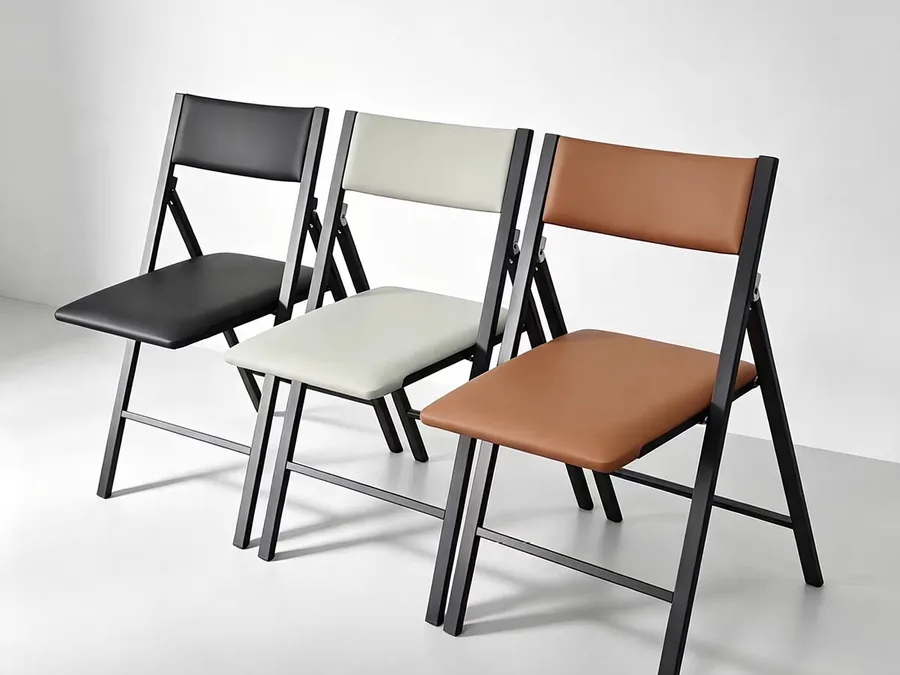
- Folding chair — the volume item. Needs a hinge that survives repeated folding, and a replaceable rivet.
- Round banquet table — hires with every seated event. Needs a folding or knock-down mechanism that stays tight.
- Trestle / long table — the communal and buffet standard. Needs legs that lock without wobble after a hundred setups.
The margin makers
- Bar stool — hired for cocktail hours and bar setups. Needs a footrest that takes weight and a finish that hides scuffs.
- Poseur / cocktail table — small, high-margin, easy to store. Needs a base plate heavy enough not to tip on a lawn.
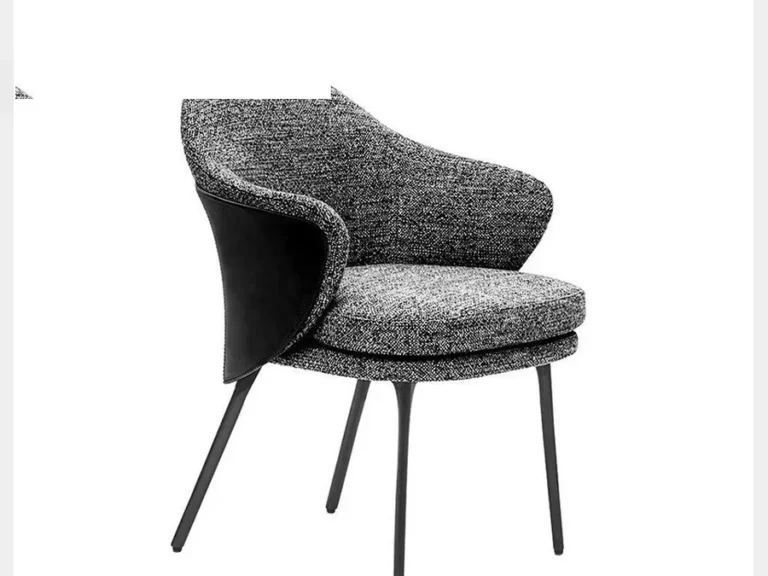
- Lounge chair — the photo item. Needs a frame that survives being moved by guests, not just by staff.
- Side / coffee table — pairs with lounge sets. Needs a top that resists drinks and a base that does not scratch floors.
The specialists
- Wooden stool — hires for rustic and outdoor themes. Needs moisture control and a finish that tolerates damp storage.
- Stackable dining chair (metal) — the indoor-outdoor crossover. Needs a coating that survives being stacked wet.
Cross-border purchasing and landed ROI
Buying from overseas changes the calculation in four places, and all four are known before the order.
- Freight — priced on volume, so knocked-down and stackable items win. A container of stacked chairs holds several times what a container of assembled chairs does.
- Duty and tax — varies by destination and by product classification. Get the rate before comparing suppliers, not after.
- Packing — cartons are a real cost, and reusable packing (trolleys, stackable crates) pays back over multiple hires.
- Lead time — a fleet that arrives two weeks late misses the season, which is a whole year of ROI, not two weeks of it.
The number to compare is landed cost per hire, not unit price. A chair at 40 landed that hires 40 times a year for five years costs 0.20 per hire. A chair at 25 landed that hires 25 times and lasts three years costs 0.33 — and requires more storage for the same revenue.
Building a buying plan
A four-step model that fits on one page:
- List the items by hire frequency from last year’s records, not from intuition.
- Calculate cost per hire for each candidate, using landed cost and realistic utilisation.
- Rank by cost per hire, then by storage footprint — the second sort is what keeps the warehouse workable.
- Buy the basics deep and the statement pieces shallow. Depth on the items that hire every week; breadth on the items that make the catalogue interesting.
If the fleet plan includes seating at volume, banquet chairs covers stack heights and re-upholstery options, and folding chairs covers the volume item. Our guide to MOQ and lead times explains how a first import order runs from sampling to delivery. To discuss volume pricing, send the item mix, the quantities and the season pattern and we will come back with packing details and landed cost inputs.
Models from this range
If you are shortlisting for a project, these two pages show how the choices above look in production:
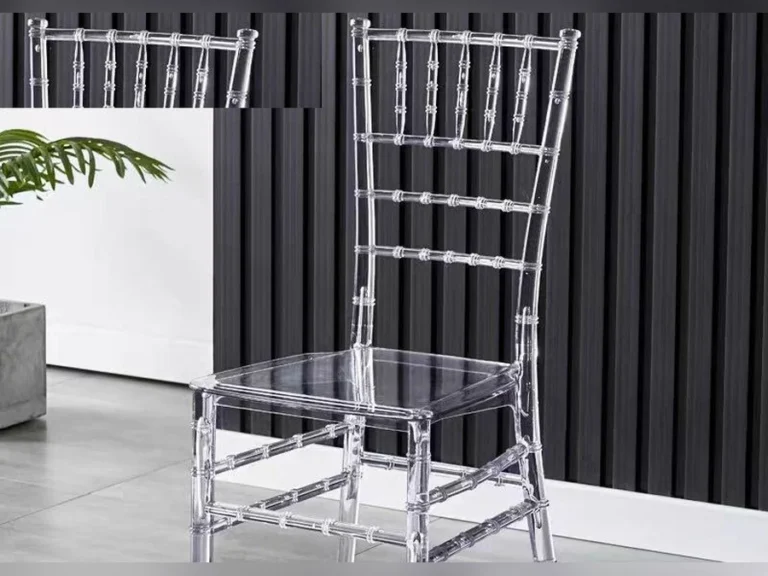
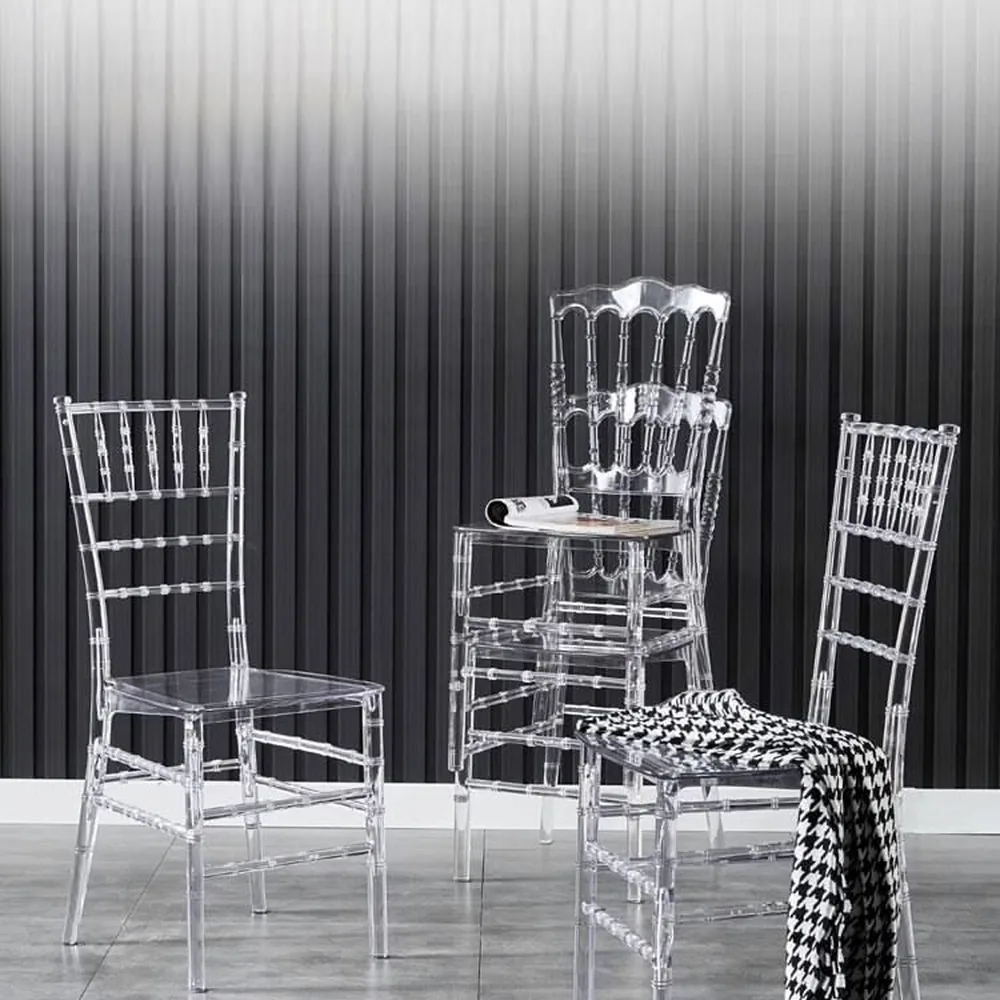
- crystal banquet chairs for rental stock — Transparent Crystal Banquet Chair for Wedding and Events
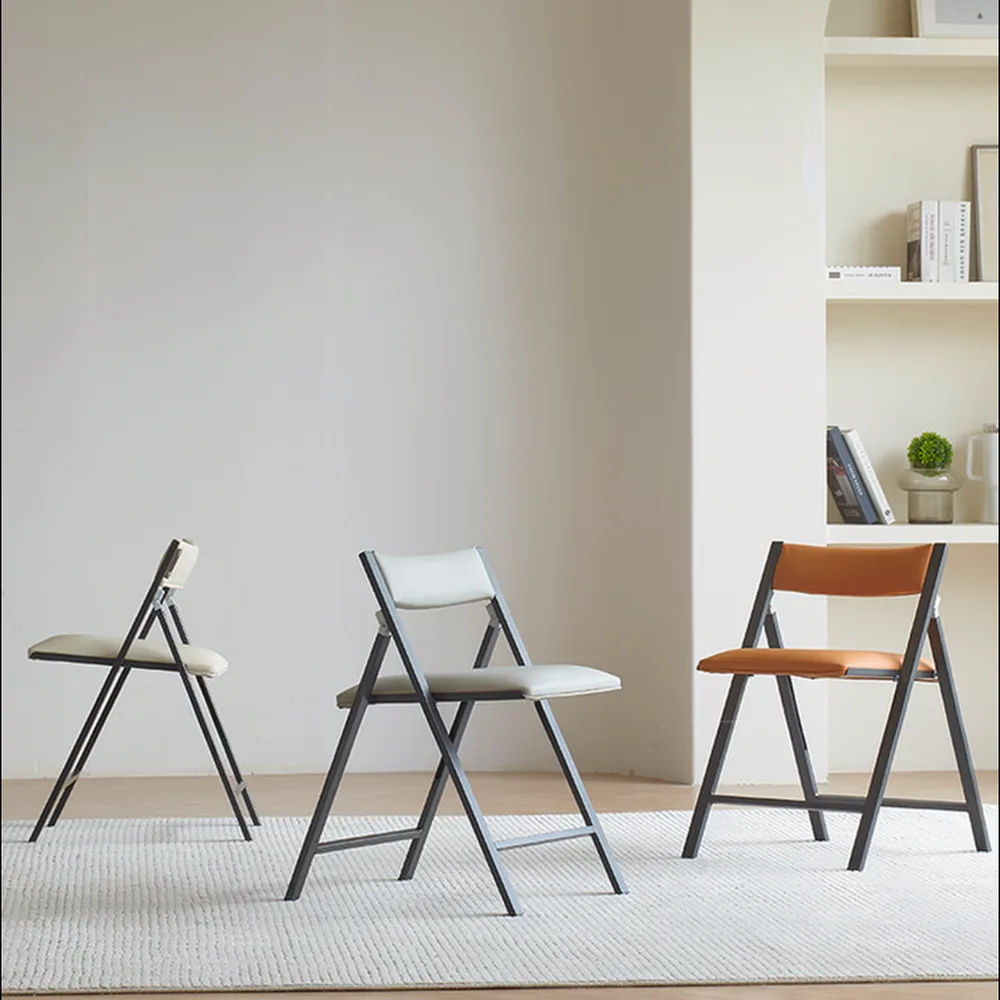
- folding chairs for rental fleets — Portable Folding Leather Chair for Office and Events