Private label projects do not fail in production. They fail at approval — because nobody defined what the sample was supposed to prove, so it proved nothing and the argument started four months later.
Sampling is not one event. It is four stages, and each one answers a different question.
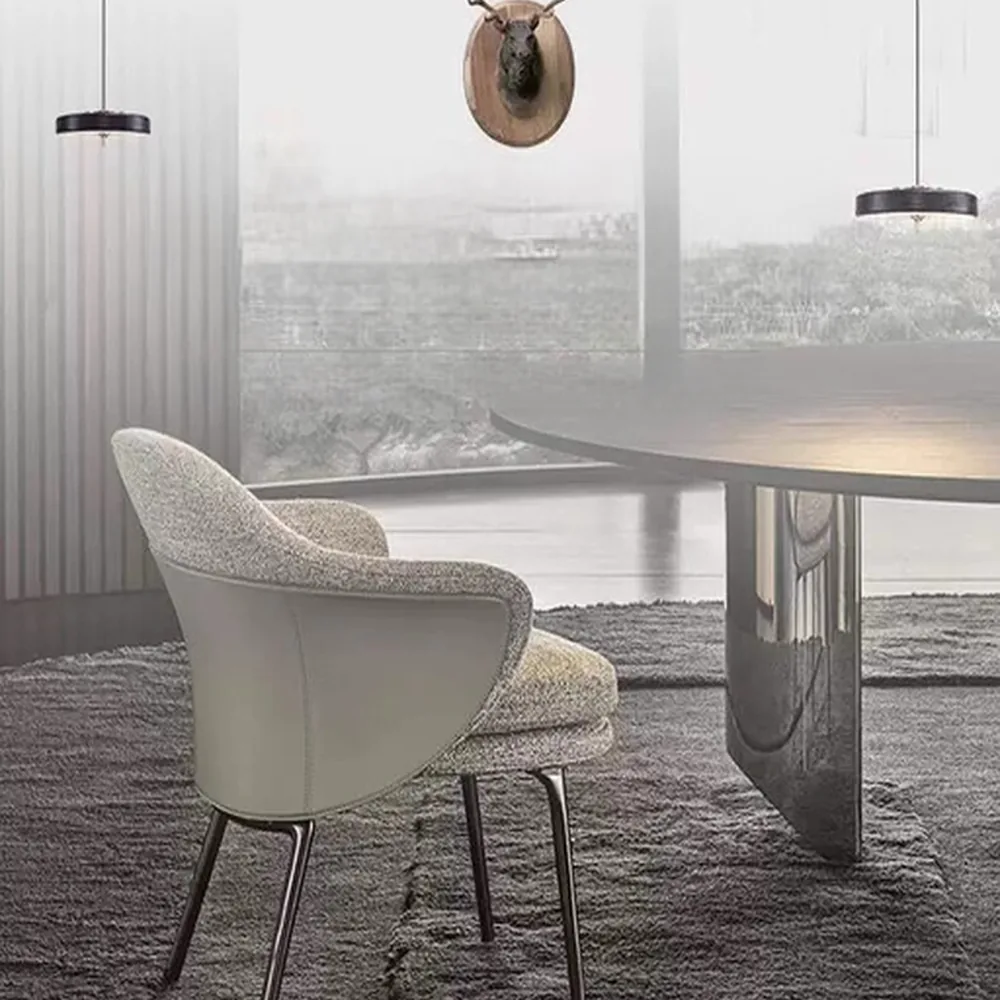
The four sampling stages
| Stage | What it is | What it proves | What it does not |
|---|---|---|---|
| Concept sample | A first physical version of the design | The shape and proportions work | Nothing about production quality |
| Pre-production sample | Made with production materials and methods | The design can be manufactured as specified | Nothing about consistency across a run |
| Approval sample | The signed reference piece | What “correct” means for this order | Nothing about the next order, if not recorded |
| Production checks | First-off and in-line inspection | The run matches the approval sample | Nothing beyond what is inspected |
The most common mistake is treating the concept sample as the approval sample. A concept sample is usually hand-built, sometimes by a different team, and almost always better than what the line will produce. Approving it sets a standard production cannot meet.
Our factory and QC page describes where each stage sits in the process.
What you should specify for a private label chair
A private label chair has more specification surface than a stock chair, because every deviation from the standard model has to be written down.
- Dimensions — overall, seat height, seat depth, back height, with tolerance
- Frame — material, tube diameter and wall thickness, or timber species and joint type
- Finish — process, colour reference, sheen level, and whether it can be re-matched
- Upholstery — fabric code, abrasion rating, cleaning code, seam type and stitch density
- Branding points — where the label, the emboss or the woven tag goes, and how it is fixed
- Packing — carton printing, units per carton, and whether the carton carries your brand
The cost consequence is worth stating plainly: a change in finish colour, a change in fabric, and a change in seat dimension each carry a different cost, and the fabric change is usually the largest. Decide those three before sampling, not after.
Sampling cost and how it is handled
Sampling is a real cost — materials, labour, and often a dedicated set-up. There are three common ways it is handled:
- Charged and refunded against the production order — the most common arrangement for a genuine private label project.
- Charged and not refunded — usual for samples that are effectively a small production run.
- Free for stock models, charged for custom — the practical middle ground for buyers testing a supplier.
Paying for the sample is usually cheaper than not paying. A free sample is a sample nobody invested in, and it tends to arrive without the details that matter — the right fabric weight, the right finish sheen, the right packing.
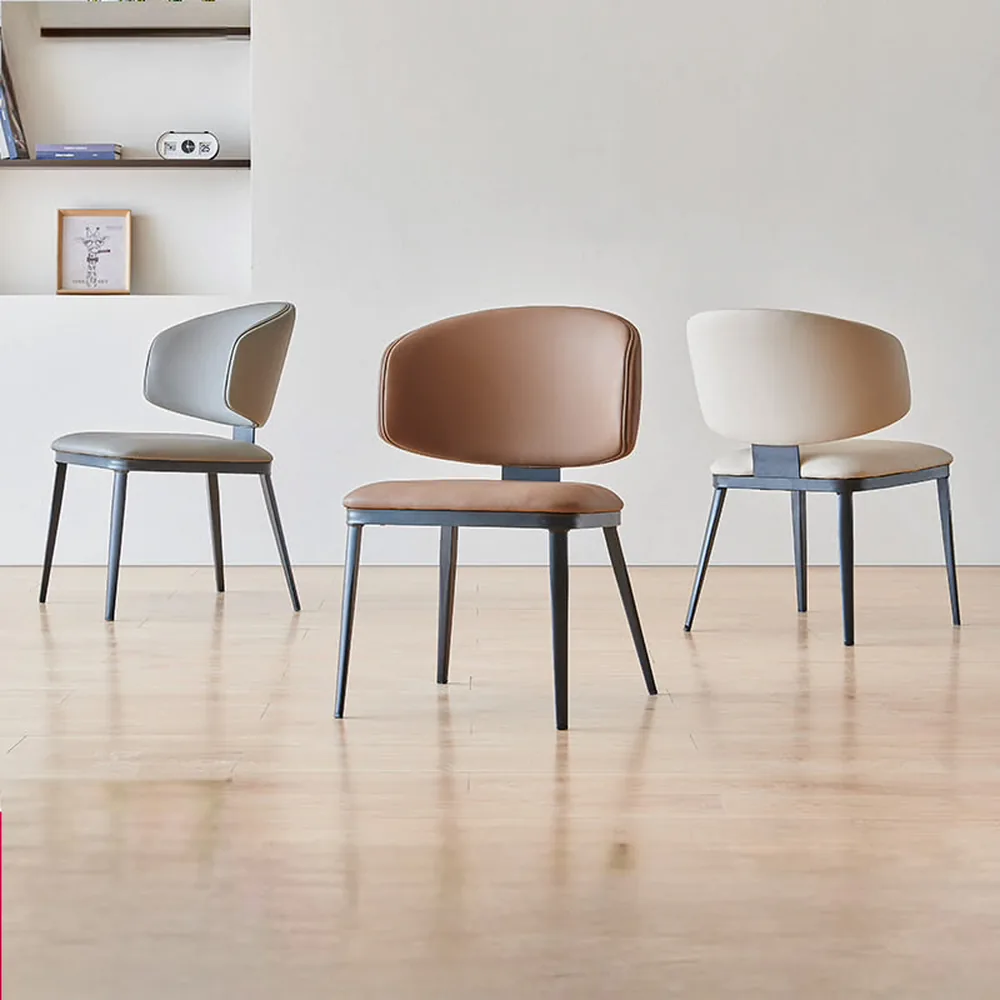
Timeline and the decisions at each step
A realistic schedule for a private label chair, from brief to approved sample:
| Week | Stage | Your decision |
|---|---|---|
| 1 | Brief and specification | Confirm dimensions, materials, finish direction |
| 2 | Concept sample | Approve shape or request changes |
| 3–4 | Pre-production sample | Approve materials and construction |
| 5 | Approval sample | Sign off and record references |
| 6–9 | Production | Book inspection |
| 10 | Inspection and balance | Release balance against the report |
The delays that come from the buyer’s side are predictable: late fabric selection, late artwork for carton printing, and slow sign-off on the approval sample. Each one moves the whole schedule, because production cannot start without the approved reference.
Keeping production matching the approved sample
The approval sample only has value if it can be compared. Three practices make that possible:
- Record the references in writing — finish colour code, fabric code, thread colour, carton artwork version.
- Photograph the sample in fixed lighting against a colour card, and keep the file with the order.
- Keep one approval sample at the factory and one with the buyer. Disputes are settled by comparison, not memory.
For repeat orders, the risk shifts from “does it match the sample” to “can the same materials be bought again”. A fabric discontinued in eighteen months is the most common cause of a colour mismatch on the second order — so ask about continuity before the first one.
If the product is being developed from scratch rather than adapted, the OEM and private label page sets out what can be customised and what stays fixed. Our guide to MOQ and lead times covers how sampling fits into the wider order schedule. To start a private label project, send the reference model, the changes you want and the target quantity, and we will come back with a sampling plan and a dated schedule.
Models from this range
If you are shortlisting for a project, these two pages show how the choices above look in production:
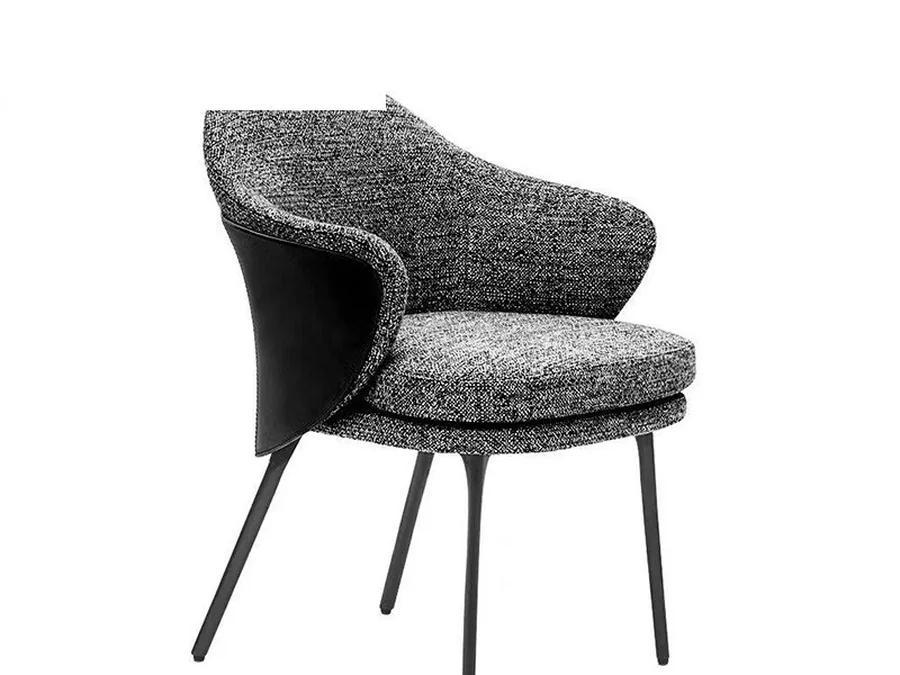
- private label fabric dining chairs — Light Luxury Fabric Dining Chair for Showroom and Reception
- designer ash wood chair for OEM programmes — High-End Designer Ash Wood Dining Chair with Soft Padding