The two numbers that decide whether an import project is realistic are not price. They are the minimum order quantity and the lead time, and both are usually quoted as single figures that hide the structure underneath.
A lead time without stages is a promise. A MOQ without a reason is a negotiating position. Ask for both in parts.
What drives MOQ
MOQ exists because of three costs, and each one has a different lever.
- Material runs — timber, fabric and powder-coat colours are bought in batches. A non-standard colour has a minimum dye lot or a minimum powder batch.
- Tooling and set-up — a custom die, a jig or a bending form costs the same whether it runs for 50 pieces or 500. That cost has to land somewhere.
- Packing and loading — cartons are printed in runs, and a container is filled by cartons. A part-container shipment carries the same fixed costs as a full one.
Where MOQ can be lower, and what you give up:
| Lever | Effect on MOQ | What you give up |
|---|---|---|
| Standard colour and standard fabric | Lowest tier | Design freedom |
| Mixed models in one order | Total quantity met across models | Longer production planning |
| Stock item, unmodified | Can be as low as one carton | No customisation at all |
| Custom colour or custom size | Highest tier | Cost, and usually a longer lead time |
The honest framing for a buyer: MOQ is not a wall, it is a price. Below the threshold, the per-unit cost rises because the fixed costs are spread over fewer units.
Lead time, broken into stages
A quoted lead time usually starts at deposit and ends at shipment. That is only the middle of the sequence.
| Stage | Typical duration | Can it be compressed? |
|---|---|---|
| Sampling and approval | 1–3 weeks | Partly — buyer decisions are the usual delay |
| Material procurement | 1–2 weeks | Not usually, if a non-standard fabric is involved |
| Production | 3–5 weeks | Rarely, and not without cost |
| Inspection | 2–5 days | Yes, if booked in advance |
| Booking and loading | 1–2 weeks | Sometimes, at higher freight cost |
| Sea freight | 3–6 weeks | No — this is geography |
The stage that catches first-time importers is the gap between approval and production. A sample approved in week three does not start production in week three; it starts after materials arrive, and materials are ordered after approval.
Our production process page sets out how the stages run in sequence on our side.
Payment and commercial terms
Payment structure is risk allocation, and the standard shapes are well established.
- Deposit and balance — typically 30% on order and 70% against documents or before shipment. The deposit covers materials; the balance covers the finished goods.
- Inspection before balance — the single most useful clause. A third-party inspection before the balance is released protects the buyer far more than a discount does.
- Letters of credit — used for larger orders, and they add bank cost and documentation work on both sides.
What protects both parties is not a lower deposit. It is a clear specification, an approved sample and an inspection point written into the schedule.
Documents and shipping
A first-time importer should expect a defined document set, and should ask for it before the order rather than after.
- Commercial invoice and packing list — the two documents that must match the shipment exactly
- Bill of lading — the transport document, released against the balance
- Certificate of origin — where the destination requires it
- Inspection report — if a third-party inspection was booked
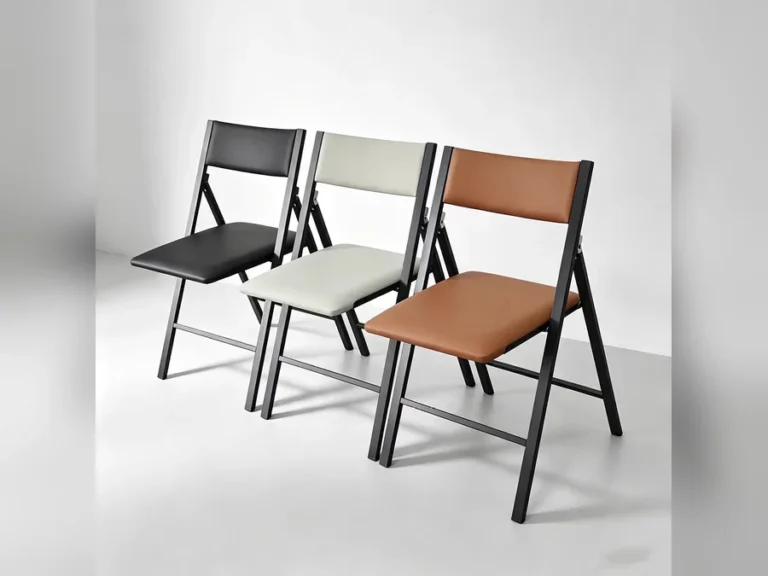
Packing affects freight more than most buyers expect. Chairs shipped knocked-down take a fraction of the volume of assembled chairs, and volume is what a container is priced on. The same applies at the destination: how the goods are packed decides how many people and how many hours it takes to receive them. Our guide to stacking and container loads covers the maths on the storage side.
Planning a first order
A realistic sequence, with the decisions at each step:
- Enquiry — models, quantities, destination. Decision: which models to sample.
- Quotation — unit price, MOQ tier, lead time, packing. Decision: budget and volume.
- Sampling — one or two models. Decision: approve, modify or reject.
- Order and deposit — specification locked, including fabric and finish references.
- Production and inspection — inspection booked before production ends, not after.
- Balance and shipment — documents checked against the packing list.
- Receiving — storage and assembly plan ready before the container arrives.
Most first orders lose two to four weeks in the gaps, not in production. The fix is a dated schedule agreed before the deposit, with a named person on each side responsible for each date.
If the order includes custom models, our page on OEM and project orders covers what can be specified and what that does to MOQ. To send an enquiry, include the models, the quantities, the destination port and the target delivery date, and we will come back with the MOQ tier and a staged lead time rather than a single figure.
Where a buyer needs a contractual quality reference, freight and product documentation often points back to ISO standards rather than to a supplier brochure.
Models from this range
If you are shortlisting for a project, these two pages show how the choices above look in production:
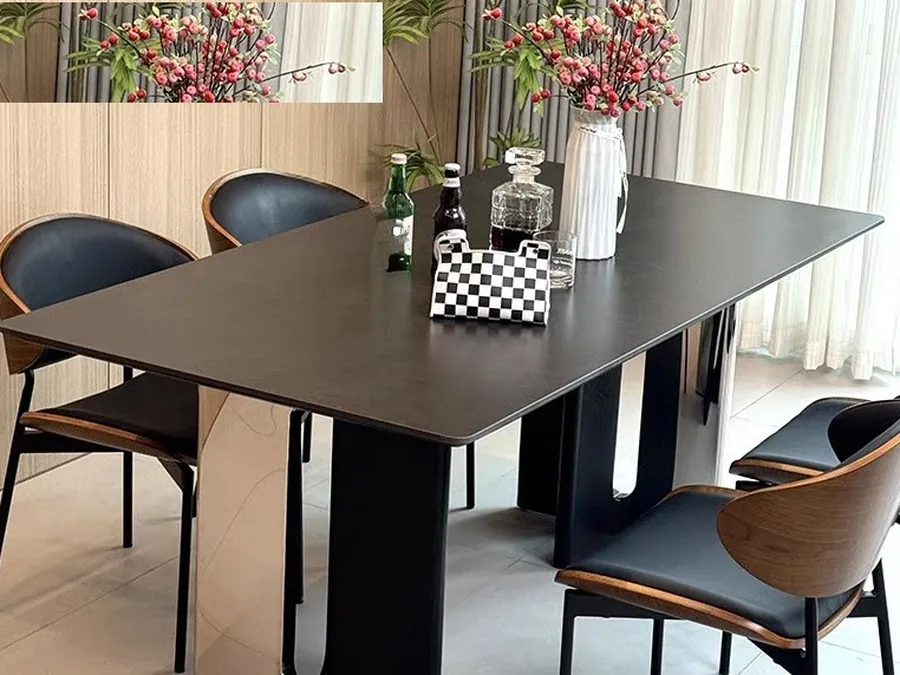
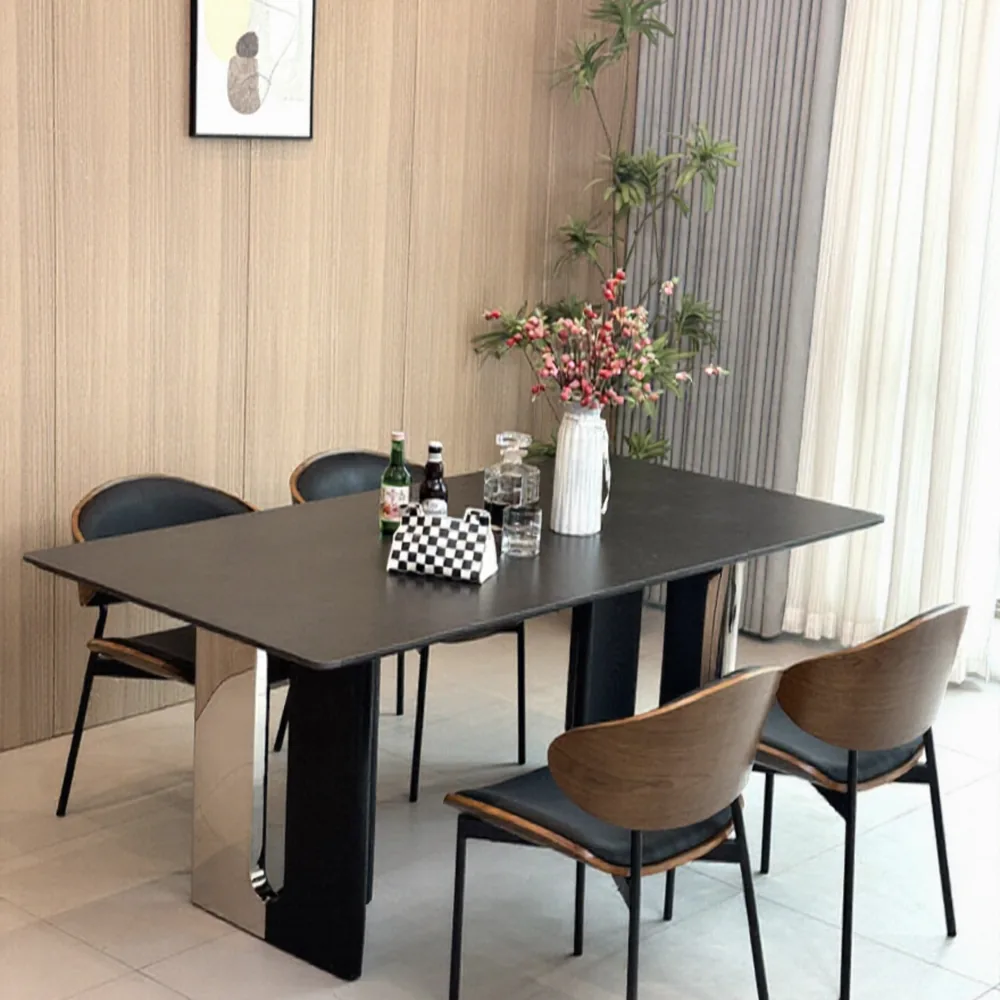
- sintered stone tables for volume orders — Light Luxury Sintered Stone Dining Table for Small Apartments
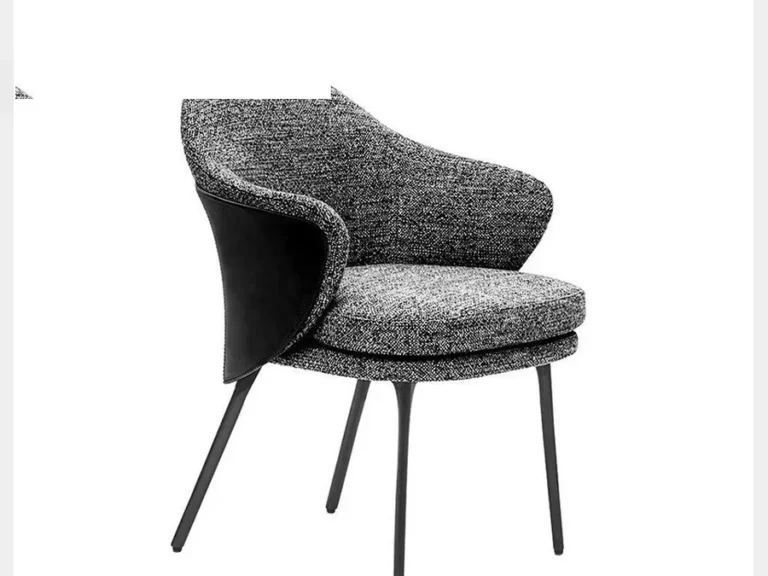
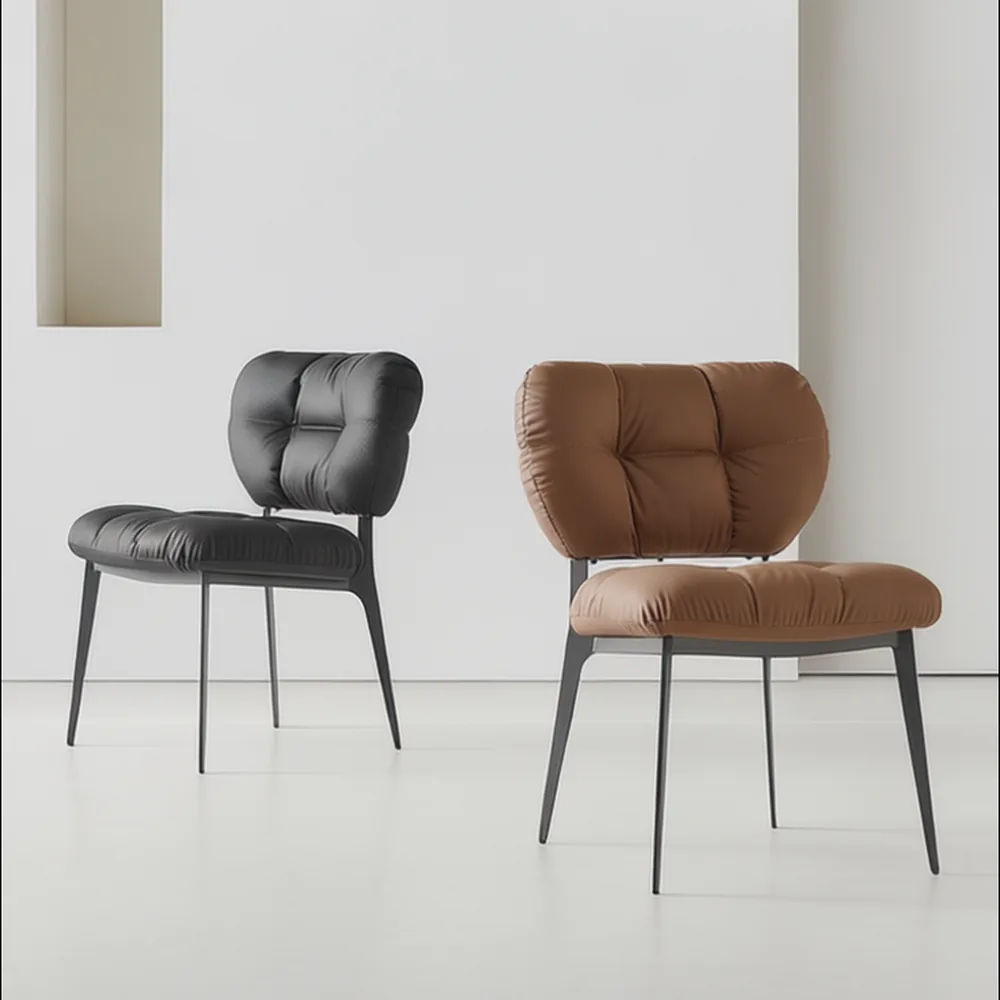
- upholstered dining chairs for mixed containers — Light Luxury Cloud-Like Dining Chair with Leather Soft Padding